I needed to fix a typo in a contract PDF last week. It should have taken 30 seconds, but it took me 20 minutes of fighting with font matching and alignment. That frustrating experience reminded me why everyone finds PDFs so difficult to edit—they weren't designed for it.
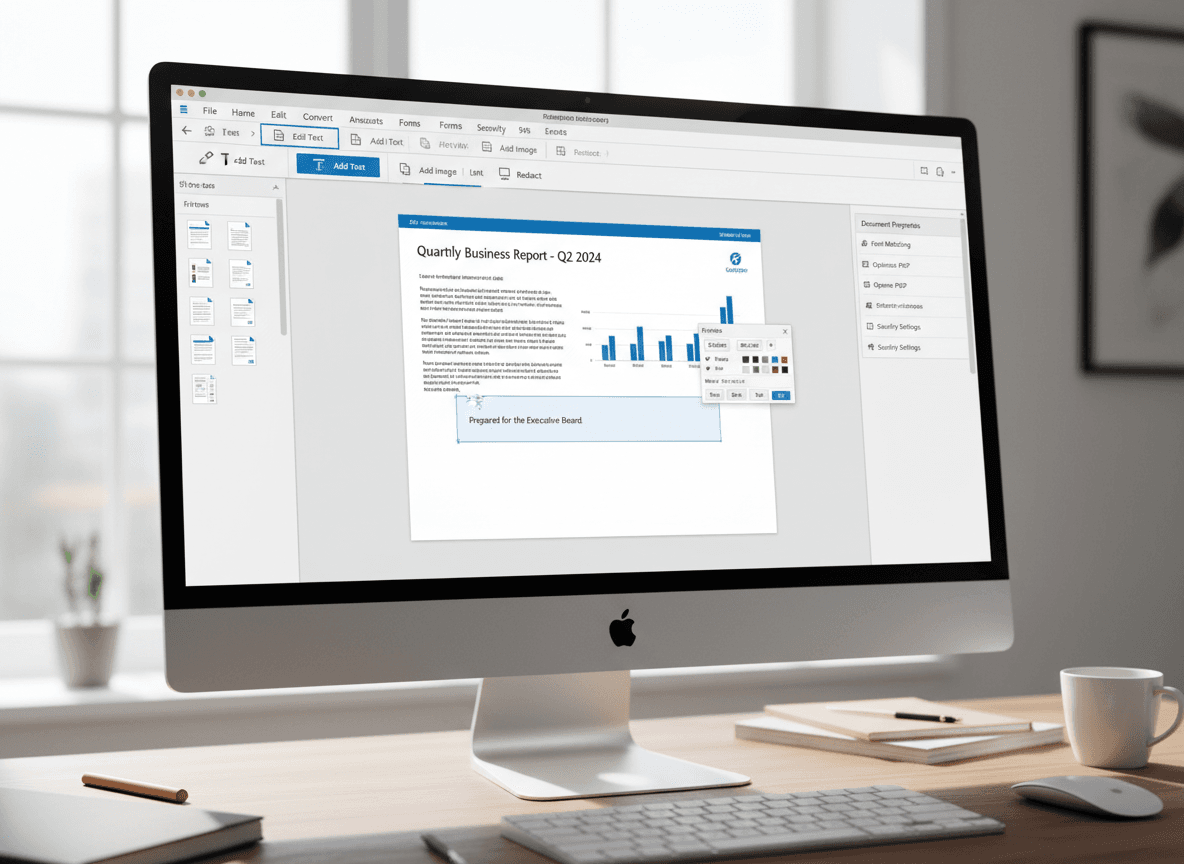
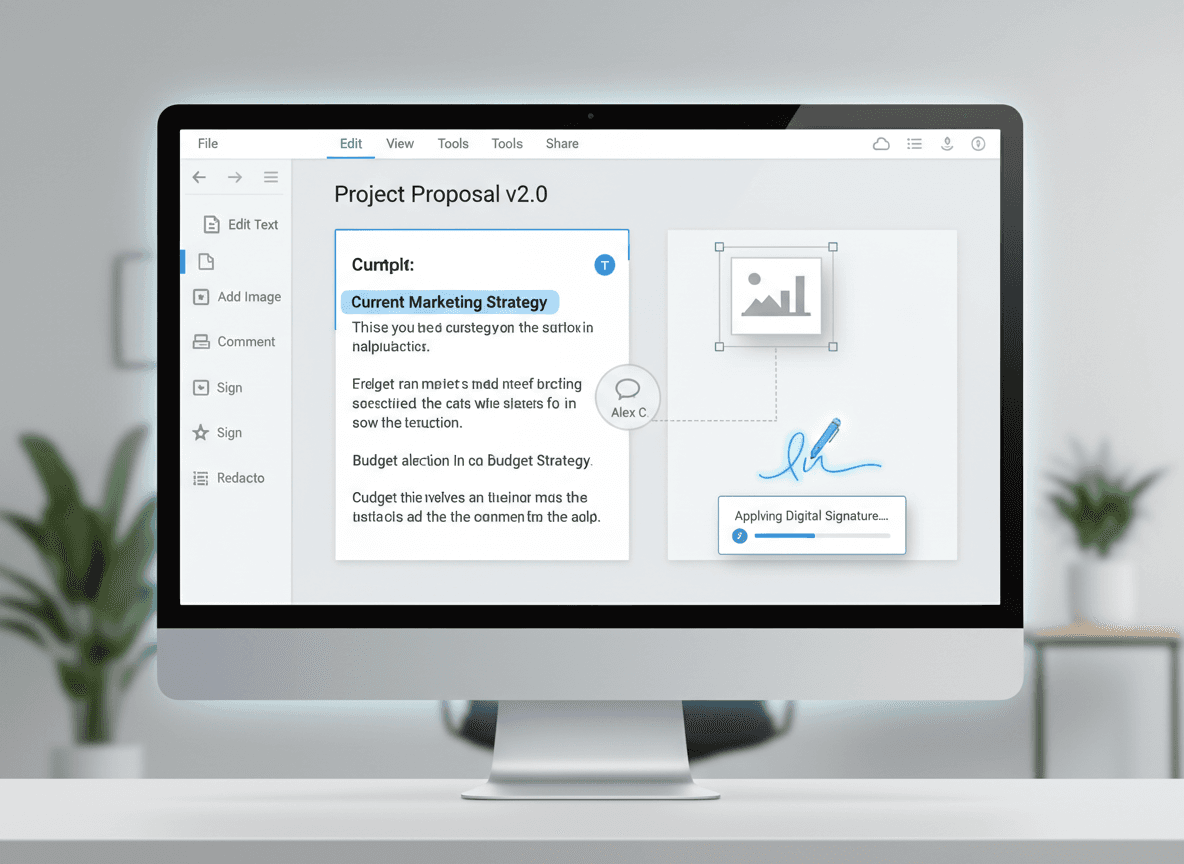
Our Edit PDF tool makes editing PDFs much easier. You can add text, edit existing text, add images, and more. PDFs are like photographs of documents. You can see everything clearly, but you can't easily change what's in the picture. Understanding why PDFs are hard to edit helps you choose the right approach, and our tool helps avoid the frustration that comes from trying to force them into something they're not.
The Fundamental Problem
PDFs use fixed positioning, not flowing text. In a word processor, text flows naturally. When you edit, text repositions itself automatically. PDFs work differently—every element has exact coordinates. Text at position (100, 200) stays at position (100, 200) unless you manually move it. This fixed layout preserves appearance perfectly but makes editing cumbersome.
The format prioritizes preservation over modification. PDFs were created to ensure documents look exactly the same on any device, regardless of fonts or software. This design goal—perfect preservation—conflicts with easy editing. You can't have both perfect preservation and easy editing; PDFs chose preservation.
Complex internal structures make editing difficult. PDFs aren't simple text files—they're complex data structures with objects, streams, and references. Editing requires understanding and manipulating these structures, which is far more complex than editing plain text. Most users don't need to understand this complexity, but it's why editing tools are limited.
Font dependencies create problems. PDFs reference fonts, but those fonts might not be available on your system. When you edit text, you need matching fonts. If the original font isn't available, the editor substitutes something else, which changes appearance. Getting exact font matches requires having the same fonts installed, which isn't always possible.
Formatting is fragile. PDFs store formatting as positioning and styling information. When you edit text, you might change its length, which breaks the positioning. Text might overflow its container, overlap other content, or disrupt page layout. Simple documents handle this better than complex ones with multiple columns, tables, or intricate designs.
What Editing Is Actually Possible
Text editing works, but with caveats. You can change existing text, but results vary. Some PDFs store text as actual text, which you can edit directly. Others store text as images or graphics, which you can't edit as text. Even when text is editable, formatting might break when you change length.
Adding new text is usually possible. PDF editing tools let you insert text anywhere in the document. The challenge is making it look integrated—matching fonts, aligning properly, and positioning correctly. This requires attention to detail and the right tools.
Images are relatively easy to work with. You can add, replace, or remove images without affecting other content. Since images are separate objects, they're more independent than text. This makes image manipulation one of the easier editing tasks.
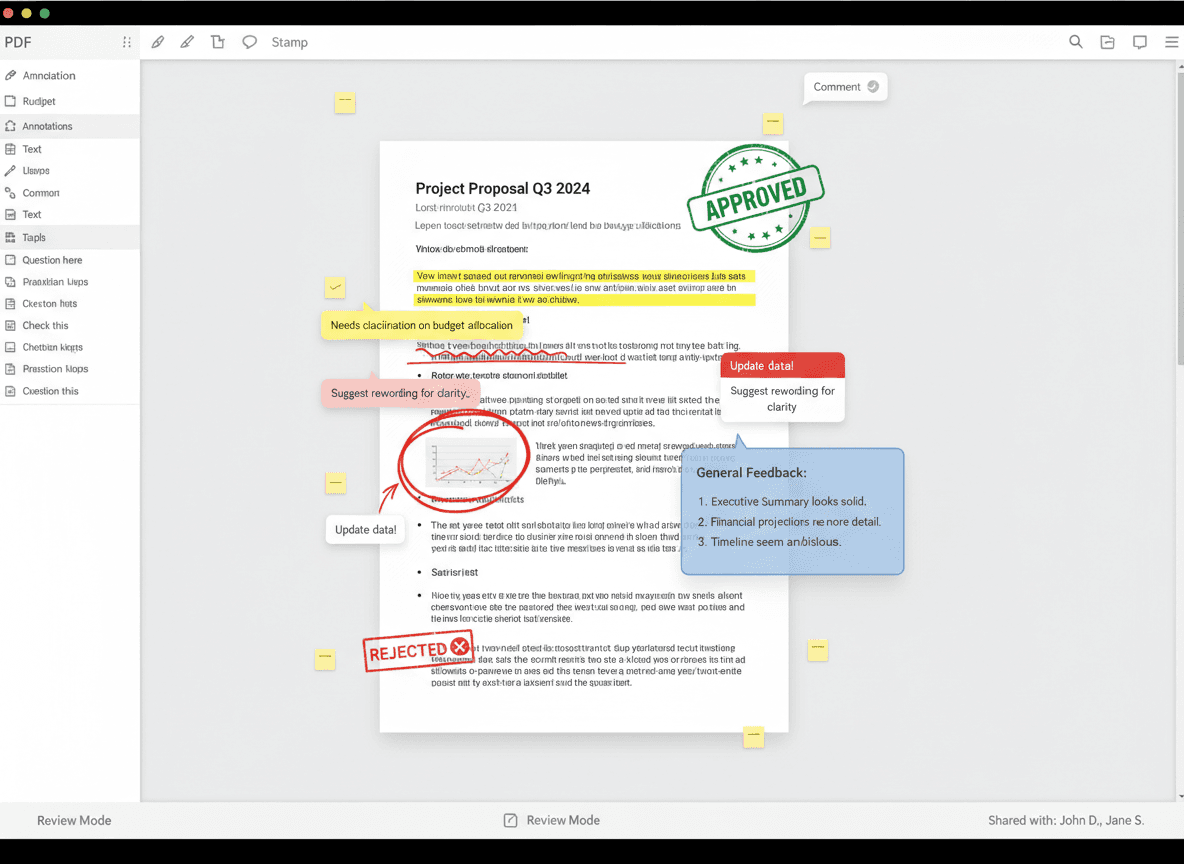
Annotations don't require editing the document itself. You can add comments, highlights, notes, and markup to any PDF. For review and collaboration, annotations might be sufficient even when direct editing isn't possible. They let you communicate changes without modifying the document.
Page manipulation is straightforward. You can add pages (from other PDFs or as blanks), delete pages, or reorder them. Pages are discrete units, so moving them around doesn't affect their internal content. This is one of the most reliable editing operations.
Forms can be filled out regardless of editing capabilities. If a PDF contains form fields, you can fill them in using any PDF viewer. You just can't modify the form structure itself without more advanced tools.
What Becomes Problematic
Complex formatting breaks easily. Documents with multiple columns, text boxes, tables, or intricate layouts are fragile. Editing text in these layouts often disrupts the design. Text might overflow, elements might shift, or the entire layout might collapse. Simple documents are much more editable than complex ones.
Text doesn't flow like in word processors. When you edit text in Word, it automatically wraps and repositions. PDFs don't do this—text has fixed positions. If you make text longer, it doesn't automatically move to the next line or page. You have to manually adjust positioning, which is tedious and error-prone.
Font matching is challenging. PDFs might use fonts you don't have. Even if you can identify the font, you might not have access to it. PDF editors substitute fonts, but substitutions rarely match exactly. Getting perfect matches requires having the exact fonts, which isn't always practical.
Tables are particularly fragile. Editing text in table cells can break table structure. Cells might resize incorrectly, borders might shift, or the table might collapse entirely. Tables in PDFs are essentially graphics with text, not true table structures, which makes them fragile.
Complex graphics are difficult to modify. Vector graphics, charts, and diagrams usually can't be edited directly. You'd need to replace the entire graphic, which requires having a replacement ready. Simple graphics might be editable, but complex ones typically aren't.
Practical Approaches
Dedicated PDF editors provide the best results. Basic PDF viewers might let you add text or annotations, but they lack the tools needed for serious editing. Professional PDF editors offer font matching, alignment guides, and formatting options that make editing more successful.
Converting to Word enables better editing. PDF to Word conversion extracts text and attempts to preserve formatting. You edit in Word (which is designed for editing), then convert back to PDF. The trade-off is formatting might get affected, but for substantial edits, this might be worth it.
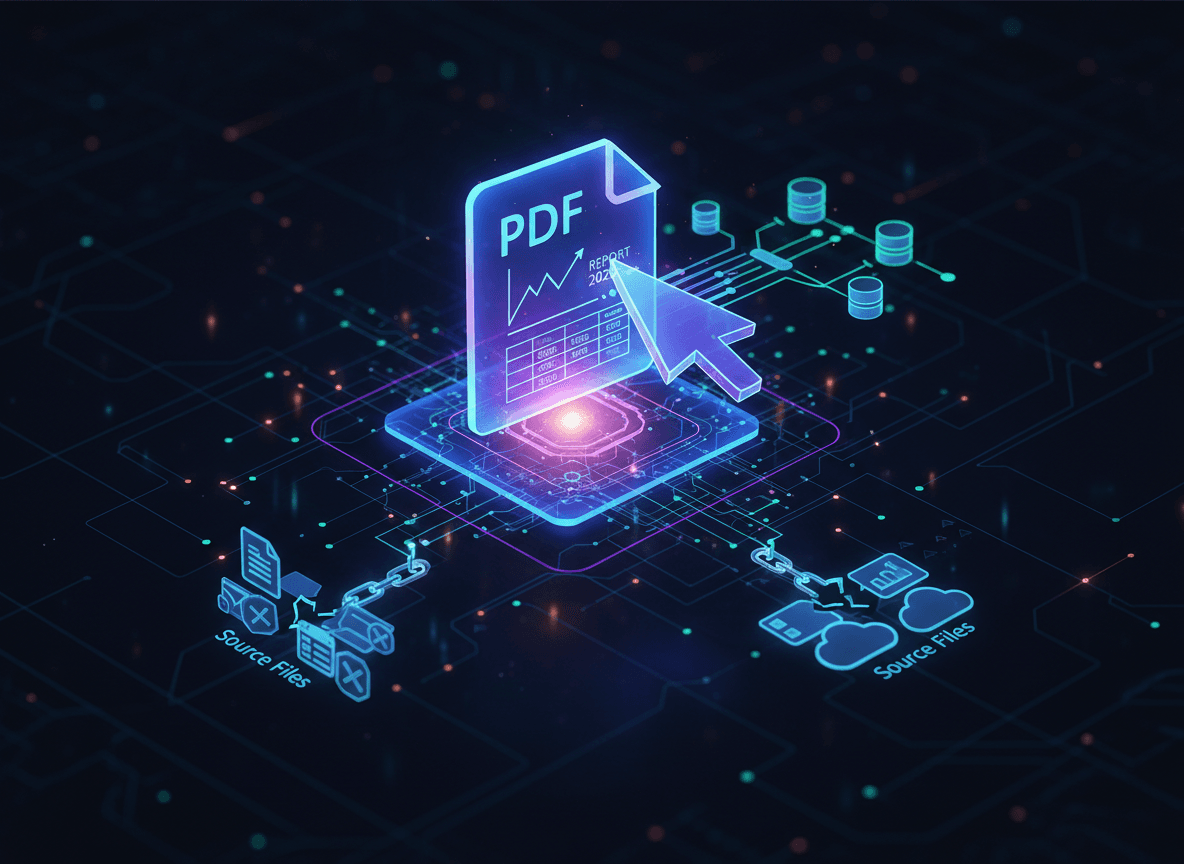
Using source files is always best. If you have the original Word document, Excel spreadsheet, or other source file, edit that instead of the PDF. Then regenerate the PDF. This gives you full editing capabilities and perfect formatting.
Accepting limitations saves frustration. Not every PDF needs to be editable. Sometimes annotations are sufficient. Sometimes the document needs to be recreated. Fighting against PDF limitations wastes time and produces poor results.
PDFs excel at preservation and sharing, not editing. Understanding this helps you choose the right tool for each task. When you need to edit, our Edit PDF tool makes it much easier. When you need to preserve and share, PDFs are perfect. Our tool reduces the frustration that comes from trying to use PDFs for something they weren't designed to do.
Ready to edit your PDF? Try our Edit PDF tool now and see how easy it is to add text, edit content, and make changes to your PDFs.