You're an artist, photographer, or designer, and you need a portfolio. You've got your best work as images, and you want to turn them into a professional PDF portfolio. This isn't just about converting images to PDF—it's about creating something that represents your work well.
Our JPG to PDF tool makes creating professional portfolio PDFs simple. It preserves image quality, handles multiple images, and creates polished PDFs. A good portfolio PDF is more than a collection of images. It's a presentation of your work, and it needs to look professional. Let me walk you through how our tool helps you create a portfolio PDF that actually looks good and makes the right impression.
Planning Your Portfolio
Before you start converting images, plan your portfolio:
Select Your Best Work
Quality over quantity. Don't include everything. Select your strongest pieces that represent your range and skills.
Show variety. Include different styles, subjects, or techniques to show your versatility.
Tell a story. Arrange images in an order that makes sense—chronological, by theme, or by project.
Consider your audience. What are you using this portfolio for? Tailor your selection to your purpose.
Decide on Layout
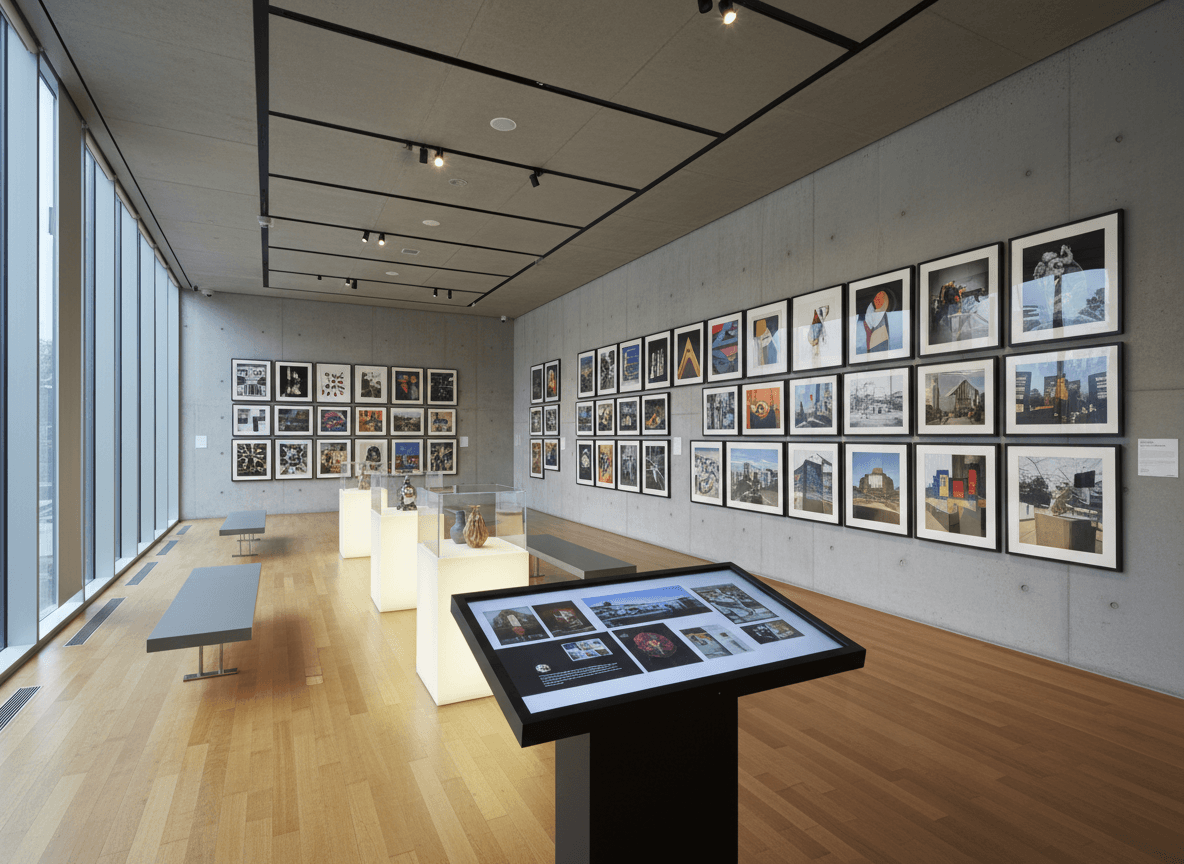
Single image per page: Clean, focused, lets each piece shine. Best for high-impact work.
Multiple images per page: More efficient, shows more work. Good for comprehensive portfolios.
Mixed layout: Some pages with single images, some with multiple. More dynamic but requires more planning.
Consistent vs varied: Consistent layout looks professional. Varied layout can be more interesting but harder to execute well.
Preparing Your Images
Before converting to PDF, prepare your images:
Image Quality
Use high resolution. Portfolio images should be sharp and clear. Use original resolution or high-quality versions.
Consistent sizing. If showing multiple images per page, consider making them similar sizes for consistency.
Color correction. Ensure colors are accurate and consistent across images.
File format. Use high-quality source images. Don't start with already-compressed or low-quality files.
Image Organization
Name files clearly. Use descriptive names that help you organize: "Portrait_01.jpg", "Landscape_03.jpg", etc.
Create a folder structure. Organize images by project, theme, or order before converting.
Have backups. Keep original images separate. Don't modify originals for the portfolio.
Creating the PDF with Our Tool
Here's how our JPG to PDF tool helps you create your portfolio PDF:
Step 1: Use Our JPG to PDF Tool
Our tool is perfect for portfolios. Our JPG to PDF tool is designed for creating professional PDFs from images:
- Automatically preserves image quality
- Handles multiple images efficiently
- Creates polished, professional PDFs
- No configuration needed
Simple and effective: Just upload your images, and our tool creates a professional portfolio PDF.
Step 2: Quality is Automatic
Our tool uses high quality automatically. Portfolios need to look professional, and our tool ensures they do.
Resolution is preserved. Our tool maintains original DPI automatically—no need to configure settings.
Color is maintained. Our tool preserves original color space (RGB for screen viewing).
Compression is intelligent. Our tool balances quality and file size, preserving your work's appearance.
Step 3: Upload Your Images
Order matters. Upload images in the order you want them to appear in the portfolio.
Our tool handles layout. Images are arranged properly, maintaining quality and appearance.
Multiple images supported. Our tool handles multiple images efficiently, creating a cohesive portfolio.
Quality is preserved. Each image maintains its quality in the final PDF.
Step 4: Download Your Portfolio
Professional result. Our tool creates a professional portfolio PDF that represents your work well.
Ready to share. Your portfolio PDF is ready to share with clients, galleries, or employers.
High quality maintained. All images maintain their quality and sharpness in the PDF.
Best Practices
Here's what makes a portfolio PDF look professional with our tool:
Visual Consistency
Our tool maintains consistency. Our JPG to PDF tool handles images consistently, preserving their appearance.
Quality is uniform. Our tool ensures all images maintain the same quality level.
Professional presentation. Our tool creates clean, professional layouts automatically.
Professional Presentation
Clean layout. Our tool creates clean layouts that give your images room to breathe.
High quality. Our tool ensures every image is sharp and clear in the PDF.
Proper ordering. Upload images in the order you want, and our tool maintains that order.
File size management. Our tool balances quality and file size intelligently, keeping files shareable.
File Management
Name clearly. Use a descriptive filename: "John_Smith_Portfolio_2024.pdf"
Reasonable file size. Our tool manages file size while preserving quality—usually under 20MB for sharing.
Test before sharing. Always check the PDF before sending it out—our tool preserves quality, but verify it looks right.
Common Mistakes
Here are mistakes to avoid:
Including too much. Don't include every piece. Be selective.
Low quality images. Don't use low-resolution or compressed images.
Inconsistent layout. Random layouts look unprofessional. Be consistent or intentional.
Too large file size. Huge files are hard to share. Balance quality and size.
No organization. Random image order doesn't tell a story. Organize thoughtfully.
Not testing. Always check the PDF before sharing. Make sure everything looks right.
Special Considerations
For Artists
Show range. Include different styles, mediums, or subjects to show versatility.
Detail shots. Consider including detail shots of complex work.
Process images. Some artists include process images showing work in progress.
For Photographers
Color accuracy. Ensure colors are accurate—important for photography portfolios.
Print vs screen. Consider whether portfolio will be viewed on screen or printed.
Series vs singles. Decide whether to show individual images or photo series.
For Designers
Project context. Consider including project descriptions or context.
Multiple views. Show designs from different angles or in different contexts.
Process work. Some designers include sketches or process work.
Creating Professional Portfolio PDFs
I've helped dozens of artists and designers create portfolio PDFs, and here's what I've learned: it's about more than converting images. It's about presenting your work professionally. Plan your selection. Prepare your images. Use our JPG to PDF tool to create professional PDFs that represent your work well.
A good portfolio PDF showcases your best work in a way that's easy to view and share. Our JPG to PDF tool makes this simple. Select your strongest pieces. Upload them to our tool. Our tool handles quality preservation, layout, and file management automatically. With our tool, your portfolio PDF will represent your work well and make the right impression.
Your portfolio is often the first impression people have of your work. Make it count. Our JPG to PDF tool ensures your portfolio looks professional. I've seen portfolios that looked rushed and unprofessional, and they didn't get the response the work deserved. A well-crafted portfolio PDF created with our tool shows professionalism and attention to detail—qualities that matter in creative fields.
Ready to create your portfolio? Use our JPG to PDF tool to turn your best work into a professional PDF portfolio that makes the right impression.