My friend submitted her master's thesis last year, and it came back with a rejection notice. Not because of the content or research quality—because the page numbers were in the wrong format. She'd used Arabic numerals throughout, but her university required Roman numerals for the front matter. She used our Page Numbers tool to fix it, and it was accepted. That small formatting error cost her a submission cycle.
Academic institutions and journals are particular about page numbering. Our Page Numbers tool makes meeting these requirements easy. It might seem like a minor detail, but getting it wrong can delay your submission or even result in rejection. Understanding the common requirements and patterns helps you format your paper correctly the first time with our tool.
The Standard Academic Pattern
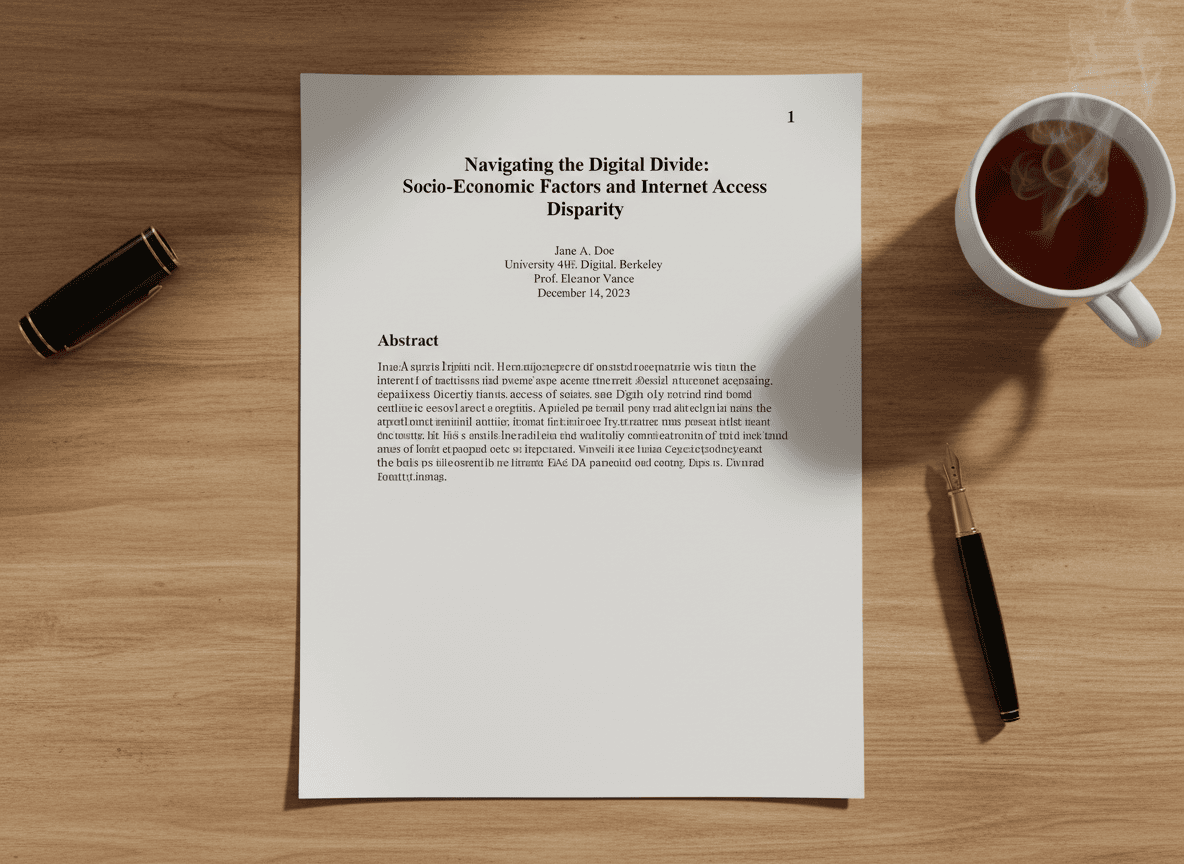
Most academic papers follow a similar numbering structure, though specific requirements vary. The title page typically doesn't have a page number, or it's numbered with a Roman numeral (usually lowercase "i" or "ii"). This creates a clean start for the document without a visible number on the cover.
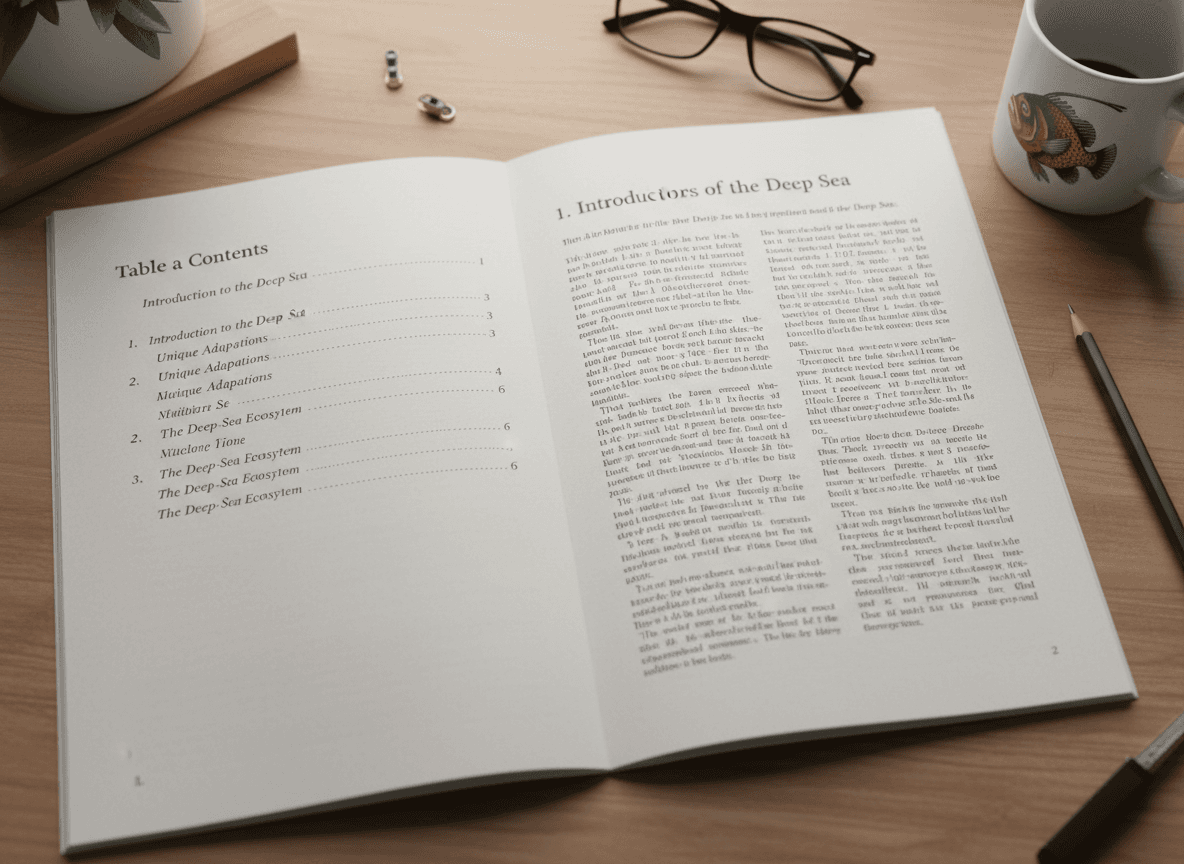
The front matter—abstract, table of contents, list of figures, acknowledgments—usually uses Roman numerals. This separates the preliminary pages from the main content. You'll see pages numbered as i, ii, iii, iv, and so on. This numbering continues through all front matter pages.
The main content starts fresh with Arabic numerals, beginning at page 1. Even though you might have ten pages of front matter, the first page of your actual paper content becomes page 1. This creates a clear distinction between introductory material and your main work.
Page number position is usually specified too. Most style guides require numbers in the header or footer, often in the top right corner. Some formats specify bottom center for certain sections. The position might seem arbitrary, but consistency matters for professional appearance.
Style Guide Variations
Different academic style guides have different requirements. APA style typically requires page numbers in the top right header, starting with the title page (which gets page 1, though the number might be suppressed). MLA style often uses the author's last name and page number in the header. Chicago style has its own specifications.
Journal submissions can be even more specific. Some journals want no page numbers on certain pages, different numbering for different sections, or specific formatting for page numbers. I always check the journal's author guidelines before formatting. These guidelines are usually available on the journal's website, and they're worth reading carefully.
Conference papers might have different requirements than journal articles. Some conferences want continuous numbering throughout, while others follow the standard front matter/main content pattern. When in doubt, check the submission guidelines or look at previously published papers from the same venue.
Thesis and dissertation requirements are often the most complex. Universities usually have detailed formatting guides that specify exactly how page numbering should work. These guides might seem overly specific, but following them precisely prevents submission delays.
Common Numbering Challenges
One frequent issue is getting the numbering to restart correctly. You need your front matter to use Roman numerals, then your main content to start at Arabic numeral 1. This requires section breaks in your document, and the settings need to be configured correctly. Many people struggle with this technical aspect.
Suppressing page numbers on specific pages can be tricky. Title pages often shouldn't show a number, even though they're technically page i or page 1. This requires specific formatting settings that aren't always intuitive. I've seen people manually delete page numbers, which breaks the numbering sequence.
Positioning page numbers correctly matters. Getting them in the right corner, with the right alignment, and at the right distance from the edge requires attention to detail. Some style guides are very specific about these measurements, and reviewers do check.
Consistency is crucial. All pages in a section should use the same numbering style and position. Mixing formats or positions looks unprofessional and can result in rejection. I always do a final check, scrolling through the entire document to verify numbering consistency.
Practical Formatting Tips
Start with your style guide. Whether it's APA, MLA, Chicago, or a specific journal format, get the official guidelines and follow them exactly. Don't rely on memory or examples from other papers—requirements can change, and different venues have different rules.
Use your word processor's section break features. The transition from Roman numerals to Arabic numerals requires a section break with different numbering settings. Learn how to use these features properly—they're essential for academic formatting.
Test your formatting before finalizing. Print a few pages or create a PDF and check how the numbering looks. Verify that numbers appear where they should, are formatted correctly, and follow the required pattern. It's easier to fix formatting issues before submission.
Create a template if you format multiple papers. Once you've figured out the correct settings for your style guide, save those settings as a template. This saves time on future papers and ensures consistency. I have templates for each style guide I use regularly.
Why This Matters
Page numbering might seem like a minor detail, but it's part of the professional presentation of your work. Academic writing has specific conventions for a reason—they create consistency and make documents easier to navigate. Following these conventions shows attention to detail and respect for academic standards.
Reviewers and editors notice formatting issues. While they might not reject a paper solely for numbering problems, consistent formatting errors suggest carelessness. In competitive academic environments, every detail matters. Proper formatting demonstrates professionalism.
Submission systems sometimes check formatting automatically. Some journals use automated systems that verify formatting compliance before papers even reach reviewers. Incorrect page numbering can trigger these checks and delay your submission.
The time investment in getting formatting right is worth it. Spending an hour learning proper page numbering saves time compared to having a paper returned for formatting corrections. Once you understand the process, it becomes routine.
Getting page numbering right is part of the academic writing process. Our Page Numbers tool makes this easier. Take time to understand your specific requirements, use our tool, and verify your work. Your future self will thank you when your paper is accepted without formatting revisions.
Ready to format your academic paper correctly? Try our Page Numbers tool now and see how easy it is to meet academic formatting requirements.